Good food but service can be better! Make the songs more in theme and get a bit more castle feel! Do reserve before going to get a good spot.
Overview
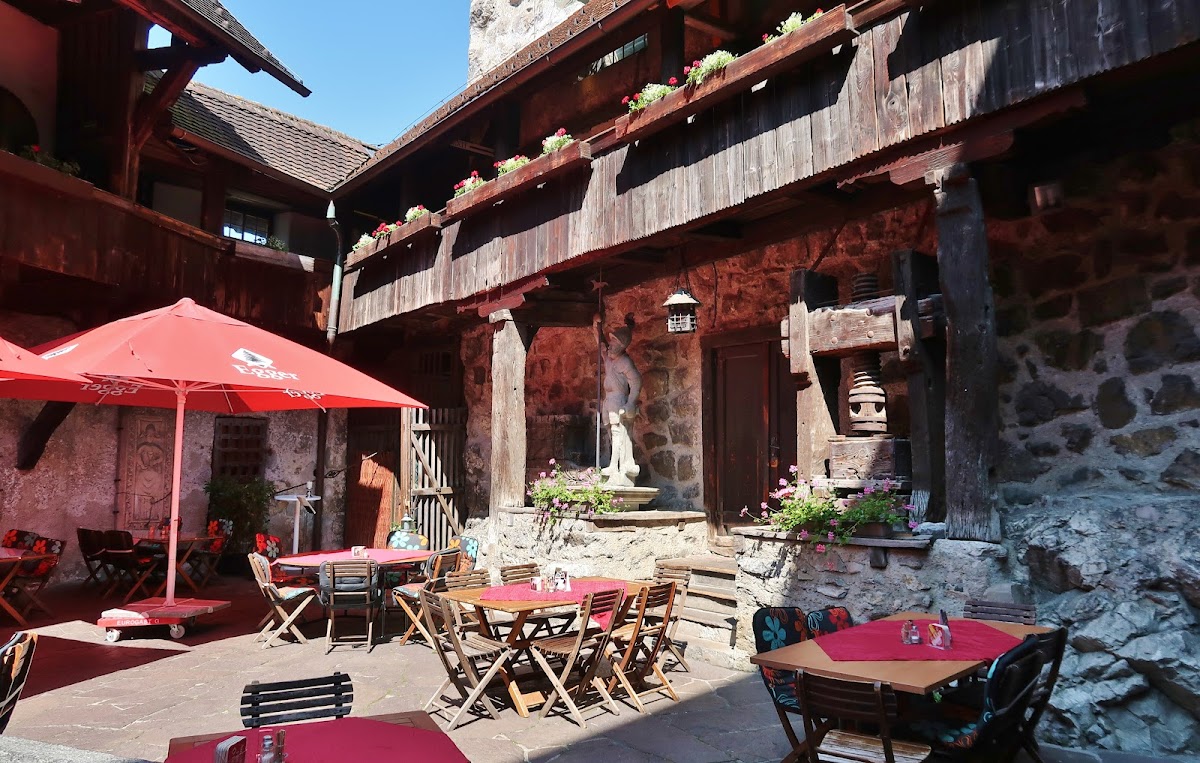
Walking through the old town of Feldkirch, it’s hard not to be pulled toward the castle perched above the rooftops. My first visit to Gastwirtschaft Schattenburg started with a steep walk up the hill, and by the time I reached the entrance, the view alone felt like a reward. The restaurant sits inside Schattenburg Castle, right at Burggasse 1, 6800 Feldkirch, Austria, and the setting immediately shapes the experience. Stone walls, wooden beams, and a sense of history make it feel less like a quick meal and more like stepping into a living story.
The menu leans heavily into Austrian tradition, which matches the surroundings perfectly. On my last visit, I ordered the Wiener Schnitzel, a dish that’s often overdone elsewhere. Here, it arrived crisp, golden, and clearly prepared with care. The kitchen follows traditional Austrian comfort food methods, using local ingredients and time-tested techniques. According to the Austrian Tourism Board, regional sourcing is a defining trait of authentic alpine cuisine, and this place follows that philosophy closely. You can taste it in the meat quality, the freshness of the potatoes, and even the seasoning, which never overpowers the dish.
What stood out to me wasn’t just the food but how the service supported the overall atmosphere. The staff know the menu well and are happy to explain how dishes are prepared or which local beer pairs best. That kind of confidence usually comes from experience, and it shows. One server explained that many recipes are adapted from Vorarlberg family kitchens, a detail that lines up with what culinary historians like Christoph Wagner have documented about regional Austrian cooking.
Desserts deserve special mention. The Kaiserschmarrn, served fluffy and lightly caramelized, is large enough to share, though I didn’t. It’s prepared using a method that involves separating the eggs and folding them carefully, a classic technique taught in Austrian culinary schools. Studies from hospitality institutes in Vienna often cite this dessert as a benchmark for technical skill, and here it’s done right. No shortcuts, no gimmicks.
Reviews from both locals and travelers often mention consistency, and that’s been my experience too. Whether visiting during a busy summer afternoon or a quieter weekday evening, the quality holds up. The location inside the castle limits seating, which can mean a short wait, but it also keeps the atmosphere intimate. That limitation is worth noting if you’re planning a large group visit.
From a broader perspective, restaurants like this play an important role in preserving culinary heritage. Organizations such as AMA Genuss Region emphasize the value of maintaining regional food traditions, especially in tourist-heavy areas. This restaurant manages to balance authenticity with accessibility, making it appealing to visitors without losing its local soul.
While the menu doesn’t change dramatically with the seasons, daily specials often highlight what’s freshest at the moment. That flexibility adds interest for repeat visits. If there’s a downside, it’s that vegetarian options are limited, though the kitchen does its best within the traditional framework.
Overall, the experience feels genuine, from the historic location to the careful preparation of each dish. The combination of atmosphere, knowledgeable staff, and reliably good food explains why this place continues to earn strong reviews and loyal guests who keep climbing that hill for another meal.
Good to know
Service options
✓ Outdoor seating ✓ Delivery ✓ Takeaway ✓ Dine-inHighlights
✓ Great beer selection ✓ Great coffee ✓ Great dessert ✓ Live musicPopular for
✓ Lunch ✓ Dinner ✓ Solo diningAccessibility
✓ Wheelchair-accessible car park ✓ Wheelchair-accessible entrance ✓ Wheelchair-accessible seating ✓ Assistive hearing loop ✓ Wheelchair-accessible toiletOfferings
✓ Alcohol ✓ Beer ✓ Cocktails ✓ Coffee ✓ Late-night food ✓ Spirits ✓ Vegan options ✓ Vegetarian options ✓ WineDining options
✓ Lunch ✓ Dinner ✓ Counter service ✓ Dessert ✓ Seating ✓ Table serviceAmenities
✓ Toilet ✓ Wi-Fi ✓ Wi-FiAtmosphere
✓ Casual ✓ Cosy ✓ Historic ✓ RomanticCrowd
✓ Family friendly ✓ Groups ✓ TouristsPlanning
✓ Dinner reservations recommended ✓ Accepts reservationsPayments
✓ Credit cards ✓ Debit cards ✓ NFC mobile payments ✓ Credit cardsChildren
✓ Good for kids ✓ High chairs ✓ Kids' menuParking
✓ Free parking lot ✓ Paid parking lot ✓ ParkingPets
✓ Dogs allowedPhotos
1 / 4
Location
Reviews
- No ratings yet 1997 reviews
Very special place, amazing location, lots of parking and of course, very delicious food. Pretty busy, so better reserve in advance, otherwise hard to get a table. The portions, as you can see in the picture, are huge. Definitely recommend it, prices are very fair.
A nice, simple, touristy, yet atmospheric restaurant in the castle area. The schnitzel is large and good. Not gourmet, but nice for a simple lunch.
Tasty food with great service. Beautiful views overlooking the town and massive portions.
If you want to dine in an authentic castle, then come here. They are known for their incredibly huge schnitzel, but I decided to try the Spätzle with Gemüse. (Vegetables) It was fantastisch! All the food was delicious and service was great. We've been coming here for years, so the only downside was the charge for condiments. However, don't let that deter you, because not only is it a restaurant it's also a castle built in the 13th Century.
Despite being busy, the staff graciously accommodated us upon arrival inspite if not having a reservation. Lovely server and quick service. Tried the beef soup, chicken schnitzel, and fig ice cream pancake - all delicious! Highly recommend this place!